Health & Fitness

By Hannah Brooks · Updated August 12, 2026 · Fact-checked
Somewhere along the way, 10,000 steps a day became gospel. It is the default goal on most fitness trackers, the number coworkers compare at lunch, and the quiet source of guilt for anyone who checks their phone at 9 p.m. and sees 4,200.
Here is the part almost nobody knows: 10,000 was never a scientific finding. The real research tells a more forgiving, and honestly more useful, story about how many steps a day your health actually requires.
Where the 10,000 number came from
The figure traces back to 1960s Japan, when a company launched a pedometer called the manpo-kei, which translates roughly to “10,000-step meter.” The number was chosen because it was catchy and the Japanese character for 10,000 resembles a person walking. It was marketing, and very good marketing, since we are still repeating it sixty years later.
What the research actually shows
When scientists finally put step counts under the microscope, the results were encouraging for regular people. Large studies published in JAMA and The Lancet, tracking tens of thousands of adults, found that health benefits begin well below 10,000 steps. Compared with people getting around 2,000 steps a day, risk of early death drops steeply through about 4,000 to 6,000 steps, and for adults over 60 the benefits level off around 6,000 to 8,000. Younger adults see gains up to roughly 8,000 to 10,000 before the curve flattens.
In other words, the biggest wins go to the people moving the least. Going from 3,000 to 5,000 steps does more for your health than going from 9,000 to 11,000. If 10,000 fits your life, great. It is a fine goal. It is just not a cliff on the other side of which your efforts stop counting.

Why steps are such a useful measure
Steps capture something gym sessions miss: all the incidental movement in your day. Walking to the train, pacing on calls, climbing stairs, wandering the grocery store. This background activity burns a surprising share of daily calories and keeps your metabolism from idling for hours at a stretch.
Steps are also brutally honest. You cannot round them up the way you might mentally round up a “busy, active day.” The number is the number, which makes it one of the simplest feedback loops in fitness. We covered how to get more out of each walk in our guide to walking for fitness.
Pace matters more than people think
Not all steps are equal. Studies that measured walking intensity found extra benefit when some of those steps come at a brisk pace, the kind where you can talk but not sing. You do not need to power-walk your whole day. Folding two or three ten-minute brisk stretches into your normal step count upgrades the health return without requiring any extra time.
How to add 2,000 steps without noticing
- Take calls on your feet. A 20-minute phone call is easily 1,500 steps if you pace or loop the block.
- Park far, exit early. The far end of the lot or one bus stop early adds steps in found time.
- Use the errand rule. Any errand under a 15-minute walk happens on foot.
- Walk after meals. Ten minutes after lunch and dinner aids digestion, blunts blood sugar spikes, and quietly banks 2,000 steps.
- Break up sitting. A two-minute lap around the office or house every hour adds up to real mileage by evening.
If your schedule is genuinely packed, movement can come in fragments. Short bursts count more than people assume, something we dug into in our piece on exercise snacks.
Do you need a tracker?
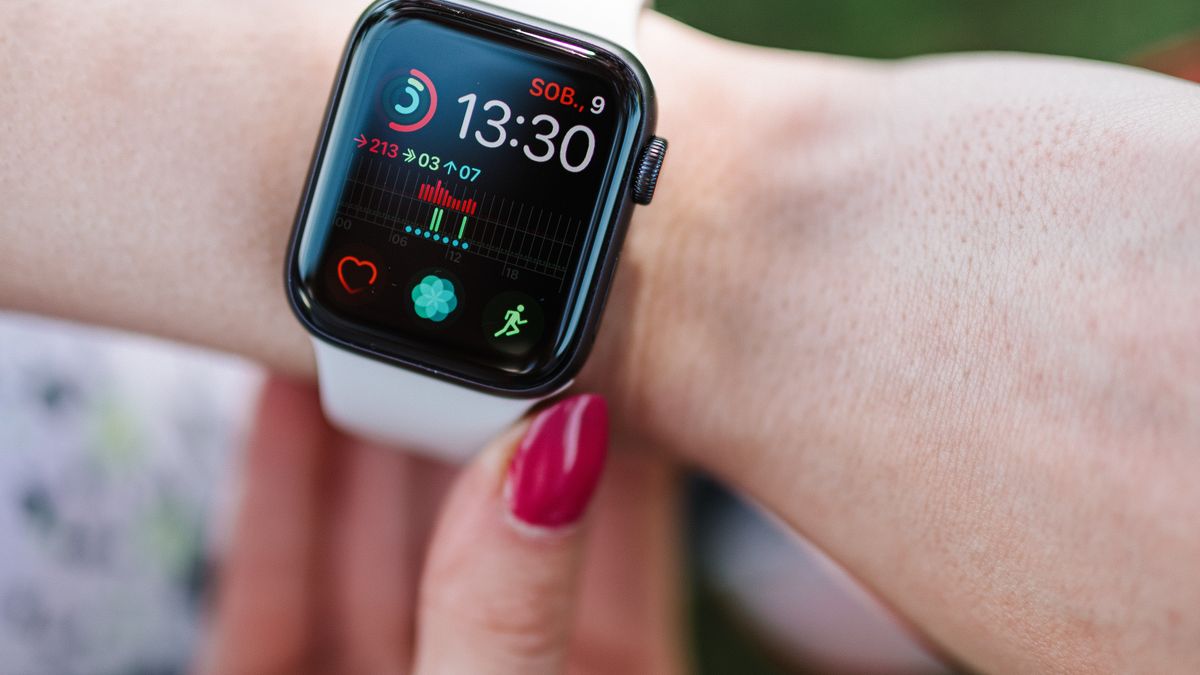
Not necessarily. The phone already in your pocket counts steps well enough to spot trends, and trends are what matter. Wrist trackers add convenience and nudge some people into real behavior change; research suggests simply wearing one increases activity for many users. But do not mistake the gadget for the goal. If checking the number stresses you out more than it motivates you, track weekly averages instead of living and dying by the daily count.
When steps are not enough
Walking is a superb foundation and a lousy complete program. It does little for upper-body strength, bone loading above the hips, or the muscle mass that protects your metabolism as you age. Health authorities like the WHO recommend muscle-strengthening activity at least twice a week alongside aerobic movement. Steps plus two short strength sessions is a genuinely complete routine for most adults.
FAQ
Is 10,000 steps a day a myth?
The specific number came from marketing, not science. But the habit it encourages is real: research consistently shows more daily steps mean better health outcomes, with the steepest gains between 2,000 and 8,000 steps.
Do steps around the house and at work count?
Yes. Your body does not distinguish between a scenic hike and laps around the kitchen. All movement contributes, though adding some brisk-paced walking amplifies the benefit.
What if I can only manage a 20-minute walk a day?
That is roughly 2,500 steps and far better than none. Studies show measurable drops in mortality risk starting around 4,000 total daily steps, a level most people reach with one modest walk plus normal daily movement.
The takeaway
Forget the all-or-nothing 10,000. Aim to beat your own average, work toward the 6,000 to 8,000 range where the research shows most of the benefit lives, and sprinkle in some brisk minutes. The best step goal is not a magic number. It is more than you got yesterday, sustained for years.
This article is for general information only and is not medical advice. Talk with a healthcare professional before significantly increasing your activity level, especially if you have a heart condition, joint problems, or other health concerns.
If you are considering a medically supervised GLP-1 weight-loss program, read our hands-on Yucca Health review.