Health & Fitness
By Hannah Brooks · Updated August 2, 2026 · Fact-checked
The biggest lie in fitness is that exercise only counts if it lasts 45 minutes and involves a change of clothes. For years, that all-or-nothing thinking has kept busy people on the couch. Then researchers started studying what happens when you exercise in tiny doses – a minute of stair climbing here, twenty squats there – and the results were hard to ignore. These “exercise snacks” turn out to do real work for your heart, your muscles, and even your blood sugar.
If your schedule has been the thing standing between you and fitness, this might be the most useful idea you read all week.
What exercise snacks actually are
An exercise snack is a short, deliberate burst of movement – usually 30 seconds to a few minutes – done several times throughout the day. Climbing three flights of stairs before lunch. A set of squats while the kettle boils. A brisk two-minute walk after each meal. No gym, no equipment, no workout clothes. The idea comes from sports science labs, where researchers found that brief vigorous efforts, repeated regularly, trigger many of the same adaptations as traditional workouts.
The research is surprisingly strong
In one well-known line of studies, sedentary adults who sprinted up a three-flight staircase three times a day, three days a week, measurably improved their cardiorespiratory fitness within six weeks. Other trials found that short movement breaks every half hour blunt the blood sugar spikes that come from sitting all day. Large observational studies point the same way: even one to two minutes of vigorous everyday activity, done a few times daily, is linked with meaningfully lower long-term health risks in people who do no formal exercise at all.
None of this means a 40-minute run is wasted. It means the entry price for real benefits is far lower than most people think.
Why tiny doses work
Your cardiovascular system doesn’t own a stopwatch. What it responds to is intensity and frequency: get your heart rate up often enough and it adapts, whether that happens in one block or ten scattered pieces. Muscles behave similarly – frequent contraction, even briefly, signals them to maintain strength and keeps glucose transporters active. Long sitting stretches do the opposite, which is why breaking them up matters almost as much as the exercise itself.
Snack ideas you can do anywhere
- Climb stairs briskly for 60 seconds – the single best studied option
- Do 15 to 20 bodyweight squats while coffee brews
- Take a fast two-minute walk after each meal
- Wall push-ups or counter push-ups, one set to near-effort
- March in place hard during one TV ad break or between meetings
- Carry groceries the long way to the car
The common thread: your breathing should noticeably pick up. A leisurely stroll to the printer is movement, which is good – but a snack should feel a little vigorous for its short duration.
Stairs are your best free gym
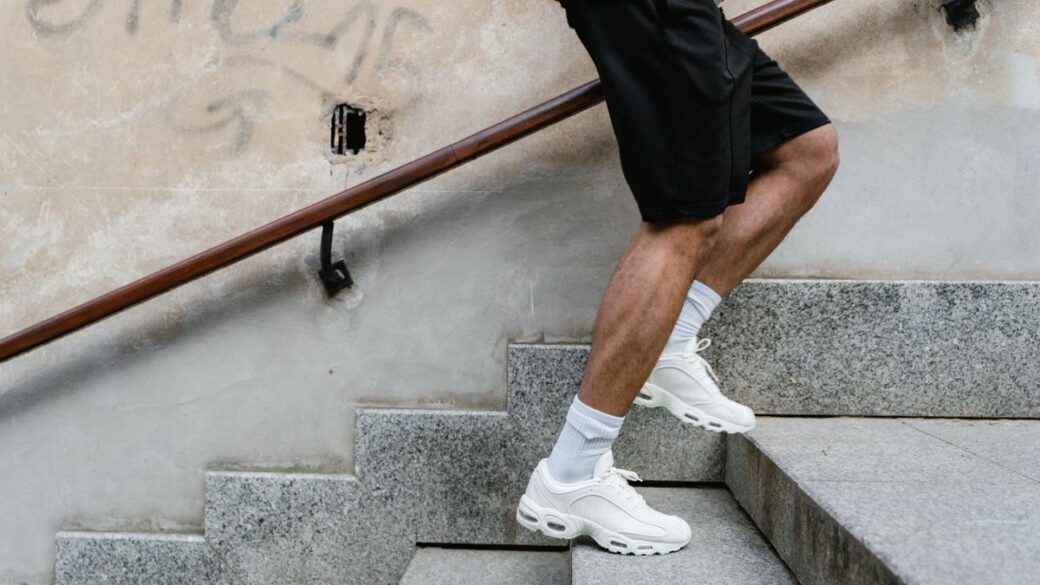
If you have access to a staircase, you have everything the research used. Stair climbing forces your heart rate up quickly, loads the biggest muscles in your body, and is easy to dose: one flight is light, three fast flights is a legitimate training stimulus for a beginner. Start with a pace that leaves you slightly out of breath at the top, and add flights or speed as it gets easier. If you’re returning from injury or have joint pain, going up is usually kinder than coming down – take the elevator down if you need to.
Strategies for desk-bound days
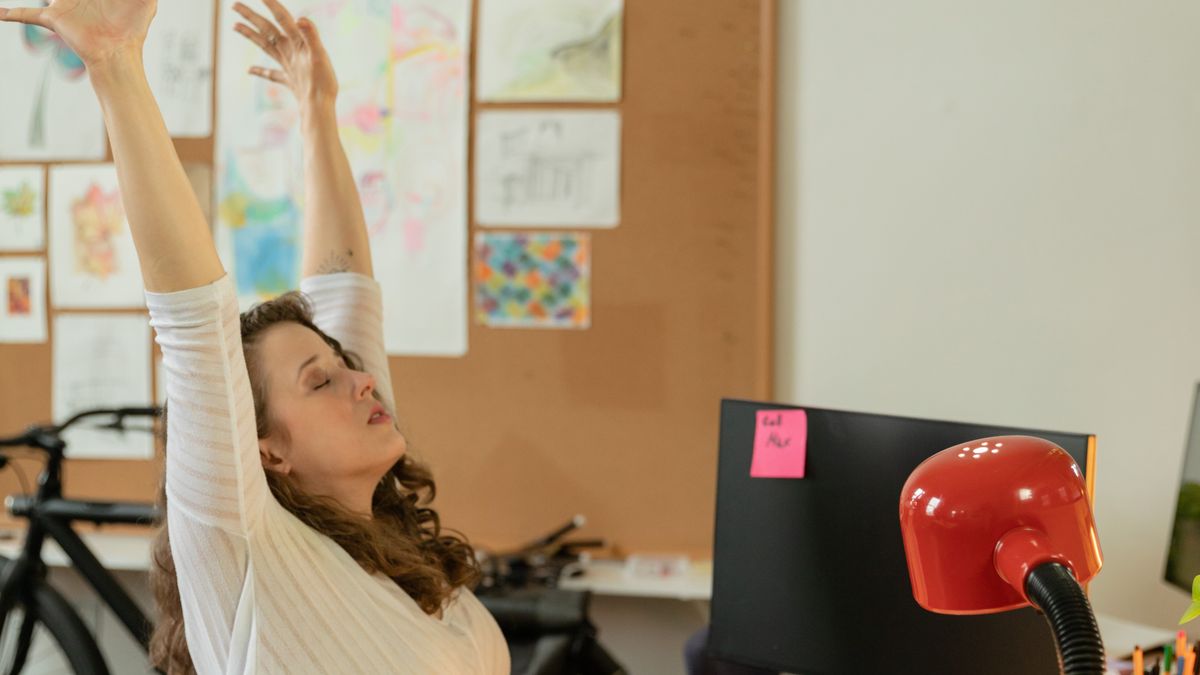
Set a movement trigger instead of relying on willpower. Tie a snack to something that already happens: every time you finish a call, stand and do ten squats. Every trip to the bathroom includes one extra flight of stairs. Calendar reminders work too, but habits chained to existing events stick better. A reasonable target for a desk day is five to eight snacks – which sounds like a lot until you realize each one costs about a minute. Pair them with proper stretching and mobility work and you’ve quietly covered a lot of bases.
Do they replace real workouts?
Honest answer: not entirely. Exercise snacks build a real fitness base, protect against the harms of sitting, and are dramatically better than nothing. But longer sessions still do things snacks can’t – building serious strength, endurance for hiking or sport, and the mental reset of a proper long walk or training session. Think of snacks as the floor, not the ceiling. For many people, the floor is what’s been missing. Health bodies like the WHO now emphasize that all activity counts toward weekly totals, in whatever chunks life allows.
How to start this week
- Pick two snack types you can do without changing clothes
- Anchor each to a daily event you never skip
- Aim for three to five snacks a day, five days this week
- Add intensity before adding time – faster stairs beat more stairs
- Track with a simple tally; small wins compound
Frequently asked questions
How many exercise snacks should I do per day?
Research protocols often used three vigorous bursts a day. Three to eight, depending on intensity, is a sensible range. Consistency across the week matters more than any single day’s count.
Do exercise snacks help with weight loss?
They burn modest calories on their own, but they raise daily activity, protect muscle, and steady blood sugar – all of which support weight management as part of an overall routine and sensible eating.
Are short bursts safe for beginners?
For most healthy adults, yes – start at a moderate effort and build up. If you have heart disease, joint problems, or haven’t exercised in years, check with a doctor first and begin with brisk walking rather than stairs sprints.
The takeaway
Fitness doesn’t require an hour you don’t have. A minute of hard stairs, a set of squats, a brisk lap of the block – repeated a few times a day, these small efforts genuinely change your fitness and your health markers. Start with two snacks tomorrow. The staircase is waiting.
This article is for general informational purposes only and is not medical advice. Consult a qualified health professional before starting a new exercise routine.