Sexual Health

By Elena Hart · Updated August 10, 2026 · Fact-checked
If you’ve ever had a urinary tract infection, you don’t need the symptoms described to you. The burning, the constant urge, the feeling that your own bladder has turned against you — a UTI announces itself loudly. They’re among the most common infections there are, and while women get the large majority, men aren’t exempt, especially later in life.
UTIs sit squarely in the sexual health conversation because sex is one of their most common triggers. The encouraging part: a handful of unglamorous habits genuinely lowers your risk, and treatment is quick when you don’t sit on the symptoms.
What a UTI actually is
A urinary tract infection happens when bacteria — usually E. coli from the digestive tract — get into the urethra and multiply. Most infections stay in the bladder. Left untreated, though, bacteria can climb to the kidneys, and that’s a far more serious situation involving fever, back pain, and sometimes a hospital stay.
Anatomy explains the gender gap. A shorter urethra means bacteria have a shorter trip to the bladder, which is why roughly half of women will have at least one UTI in their lifetime, many of them triggered in the days after sex.
Symptoms you shouldn’t wait out
- A burning or stinging feeling when you pee
- Needing to go urgently and often, but passing only a little
- Cloudy, dark, or strong-smelling urine
- Pressure or cramping in the lower abdomen
- Blood in the urine — even once is worth a call to a doctor
Fever, chills, nausea, or pain in your side or lower back suggest the infection may have reached the kidneys. That combination deserves same-day medical attention, not a wait-and-see approach.

Why sex is a common trigger
Intercourse can push bacteria toward the urethra — friction does the mechanical work, and new or frequent sexual activity raises the odds. Some contraceptives make things worse for certain people: spermicides and diaphragms both shift the balance of bacteria in ways that give E. coli an opening.
None of this means anything is wrong with your hygiene or your relationship. It’s plumbing and probability. Peeing shortly after sex helps flush bacteria out before they settle in — it’s the single most repeated piece of advice for a reason. And if symptoms show up after a new partner, it’s sensible to rule out other causes too; our guide to STI testing covers when to get checked, since some infections mimic UTI symptoms.
Who gets them, and why some people get them repeatedly
Beyond sexual activity, risk rises with menopause (falling estrogen changes the urinary tract’s protective bacteria), pregnancy, diabetes, kidney stones, and anything that keeps the bladder from emptying fully. In men, an enlarged prostate is the classic culprit — which is part of why UTIs in men become more common after 50 and always warrant a doctor’s look.
Some people simply draw a genetic short straw and get recurrent UTIs — usually defined as two in six months or three in a year. If that’s you, you’re not imagining it, and it’s worth a dedicated conversation with a clinician rather than an endless cycle of one-off treatments. A routine sexual health check-up is a good place to raise it.
How UTIs are treated
A straightforward bladder infection typically clears with a short course of antibiotics, and symptoms often ease within a day or two of starting. Finish the course anyway — stopping early is how infections come back meaner. Drinking plenty of water and using a heating pad for cramping can make the wait more comfortable. What doesn’t work: trying to tough out a true infection with home remedies alone. UTIs sometimes resolve on their own, but gambling on it risks a kidney infection.
Everyday habits that lower your risk
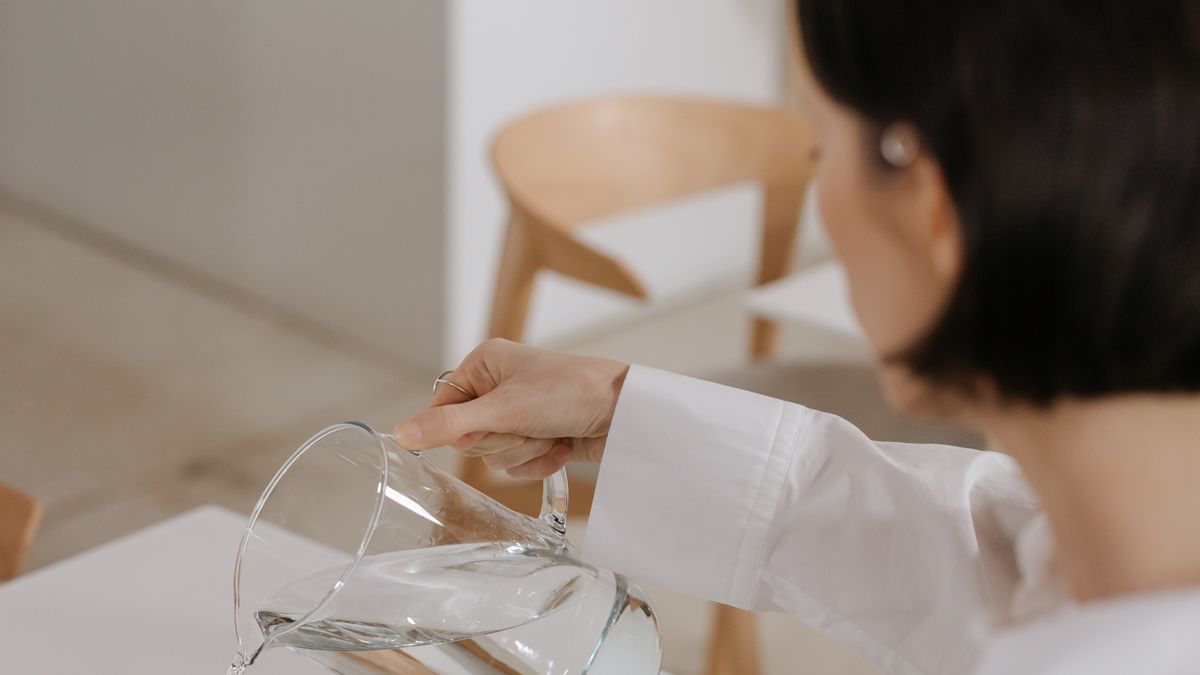
- Drink enough water that your urine runs pale — volume literally flushes bacteria out
- Pee when you need to; chronic holding gives bacteria time to multiply
- Pee soon after sex
- Wipe front to back
- Skip douches and scented sprays — they disrupt protective bacteria
- If you use spermicide and get repeated UTIs, ask about switching methods
None of these are dramatic, which is exactly why they’re easy to skip. Consistency is the whole game.
What about cranberry?
The famous remedy has modest science behind it. Cranberry contains compounds that may make it harder for bacteria to stick to the bladder wall — studies suggest a real but small preventive effect for people with recurrent UTIs, mostly from concentrated capsules rather than sweetened juice. It will not treat an active infection. Think of it as a maybe-helpful supplement, not a cure.
Frequently asked questions
Can a UTI go away on its own?
Mild bladder infections occasionally do, but there’s no reliable way to know yours will. If symptoms last more than a day or two, or worsen, see a clinician — untreated infections can reach the kidneys.
Are UTIs sexually transmitted?
No. Sex can physically push bacteria toward the urethra, but the bacteria usually come from your own body, and a partner doesn’t need treatment. Some STIs cause similar symptoms, though, so testing makes sense when in doubt.
Why do I keep getting UTIs after sex?
Friction, certain contraceptives like spermicide, and individual anatomy all play a role. Peeing after sex, staying hydrated, and reviewing your birth control method with a clinician are the usual first steps.
The takeaway
UTIs are common, miserable, and — most of the time — quickly treatable. Know the symptoms, don’t wait them out, and lean on the boring preventive habits: water, regular bathroom trips, peeing after sex. If infections keep returning, push for a proper workup instead of settling into a pattern. Your bladder is telling you something; it’s worth listening early.
This article is for general information only and is not medical advice. See a healthcare professional for diagnosis and treatment of urinary symptoms.