Weight Loss

By Daniel Cole · Updated August 4, 2026 · Fact-checked
You’ve cleaned up your meals, you’re moving more, and the scale still won’t budge. Before you overhaul your diet again, look at your cup. Liquid calories are the most common blind spot I see in food diaries — not because people are careless, but because drinks genuinely don’t register the way food does.
A 400-calorie snack leaves you noticeably full. A 400-calorie drink? You’ll be hungry again in an hour, sometimes sooner. That mismatch is where a lot of stalled weight loss quietly lives.
Why your brain barely counts what you drink
Satiety — the feeling of having had enough — is driven by chewing, stomach stretch, fiber, and protein. Most drinks skip all four. Liquid empties from the stomach quickly, triggers weaker fullness hormones, and research consistently shows that people don’t eat less at their next meal to compensate for calories they drank earlier.
In other words, drink calories mostly get added on top of what you’d eat anyway. That’s what makes them different from an equally caloric food — and what makes them such an efficient thing to cut. If you constantly feel hungry while dieting anyway, there’s usually more going on; we’ve covered the fixes in why you’re always hungry on a diet.
The usual suspects, ranked by sneakiness
- Soda and sweet tea: the obvious ones — a 20-ounce bottle of cola runs about 240 calories, all sugar.
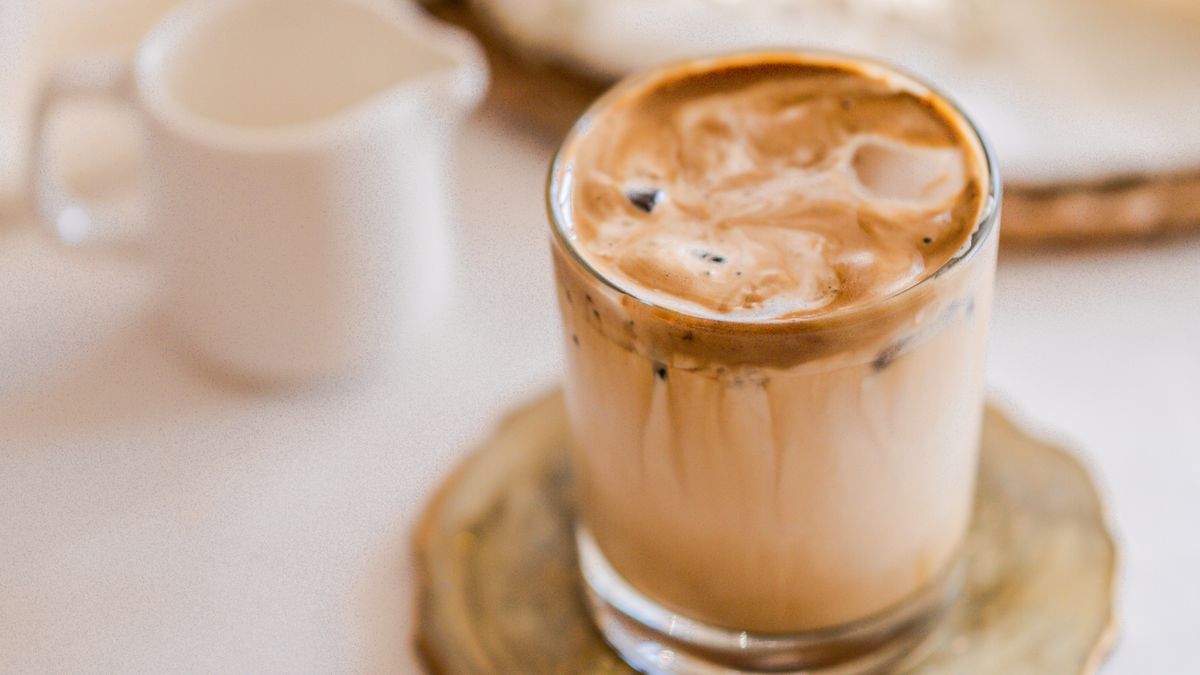
- Coffee-shop drinks: flavored lattes, frappes, and cold foam drinks range from 200 to 500+ calories.
- Juice and smoothies: marketed as healthy, often as sugary as soda per glass.
- Alcohol: 7 calories per gram, plus mixers, plus the appetite it unlocks.
- Sports and energy drinks: useful for long, sweaty sessions; unnecessary sugar for a 30-minute walk.
Coffee drinks: dessert in a cup
Black coffee is basically free — 2 to 5 calories. The trouble starts with what gets added. A medium mocha with whipped cream lands around 350 calories; some blended caramel drinks pass 500. Order one most mornings and that’s an extra 2,000+ calories a week that never touched your hunger.
You don’t have to give up the ritual. Downshift gradually: fewer pumps of syrup, smaller size, milk instead of cream, skip the whip. Most people find their taste adjusts within a couple of weeks, and the fancy version starts tasting overwhelmingly sweet.
What about juice and smoothies?
Fruit juice keeps the sugar of fruit and throws away most of the fiber that made whole fruit filling. A cup of orange juice has roughly the sugar of three oranges — would you eat three oranges in one sitting? Whole fruit wins almost every time for weight loss.
Smoothies sit in a gray zone. A homemade one built on whole fruit, greens, and protein can be a legitimate meal. A 24-ounce shop smoothie with juice base, sweetened yogurt, and honey is closer to a milkshake with a health halo. The question to ask: is this replacing a meal, or riding alongside one?
Alcohol’s double hit
Alcohol works against weight loss twice. First, the calories themselves: a regular beer is about 150, a glass of wine 120 to 150, and cocktails with soda or cream mixers can triple that. Second, the behavioral effect — a couple of drinks reliably lowers your resistance to late-night food, and your body prioritizes burning alcohol over burning fat while it’s in your system.
You don’t need total abstinence to make progress. Set a weekly number, favor dry wine or spirits with soda water, and never drink on an empty stomach. If your weight has flatlined for weeks despite a solid routine, alcohol is one of the first levers to check — along with the others in our guide to breaking a weight loss plateau.
Smarter swaps that actually stick
- Soda → sparkling water with lime, or a diet version as a stepping stone.
- Flavored latte → coffee with milk and one pump of syrup, then none.
- Juice at breakfast → the whole fruit plus water.
- Evening beer(s) → alternate each drink with soda water, or cap it at one.
- Sweet tea → unsweetened tea brewed strong; add sweetener yourself so you control the dose.
The math is friendly here. One 250-calorie drink dropped per day is roughly 7,500 calories a month — a steady, effortless deficit that requires zero willpower at mealtimes.

Frequently asked questions
Do diet sodas stall weight loss?
The evidence says diet drinks are far better than sugary ones for weight control, and for many people they’re a useful bridge away from regular soda. If you find sweet flavors drive cravings for you personally, taper them too — but they’re not the main villain.
Does milk count as liquid calories?
Technically yes, but milk brings protein, calcium, and some satiety with it, so it behaves more like food than soda does. A splash in coffee is a non-issue; multiple large glasses a day belong in your daily calorie picture.
Is fresh-squeezed juice better than store-bought?
It avoids added sugar and keeps a bit more nutrition, but the calorie and sugar load is similar. For weight loss, the whole fruit still beats any juice, fresh or not.
The takeaway
Drinks are the easiest calories to overlook and the easiest to cut. You don’t have to change what’s on your plate to restart progress — audit what’s in your glass for one honest week, swap the biggest offender, and let the quiet math work in your favor for a change.
This article is for general informational purposes only and is not a substitute for professional medical advice. Always consult a qualified health provider about your individual health and nutrition needs.