Sleep Health

By Priya Nair · Updated August 24, 2026 · Fact-checked
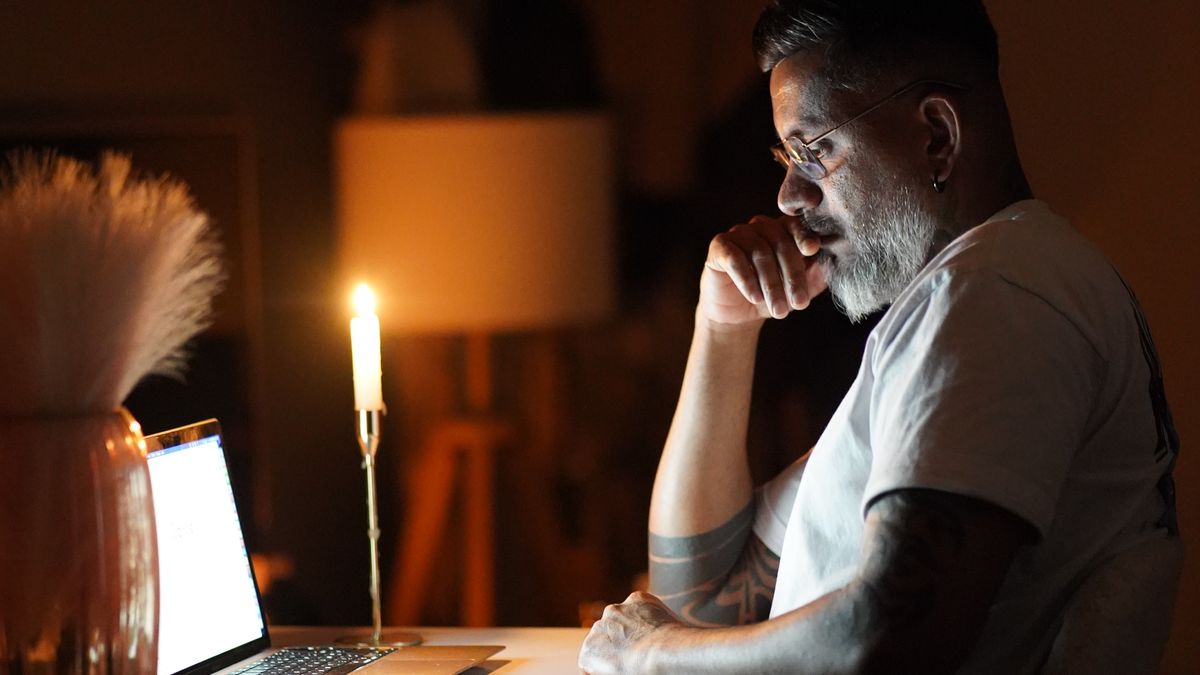
There is a certain smugness to morning people. They are up at five, they have already been to the gym, and they cannot understand why you are incoherent before your second coffee. Meanwhile you do your best thinking at eleven at night and resent every alarm clock ever made.
That split is not laziness or discipline. It is largely biology, and the word for it is chronotype.
What a chronotype actually is
Your chronotype is your body clock’s preferred timing — when it wants you asleep, when it wants you awake, and when it delivers your sharpest hours. It is driven by a set of clock genes that run a roughly 24-hour cycle in nearly every cell you have, coordinated by a small region of the brain that reads light through your eyes.
Researchers usually describe chronotype as a spectrum rather than two camps. Extreme early types and extreme late types sit at the ends; most people land somewhere in the middle, leaning slightly one way. Sleep scientists often sort people by their midsleep point — the clock time halfway between falling asleep and waking on a free day, when no alarm is involved.
So are night owls actually born that way?
Partly. Twin studies suggest a meaningful genetic contribution to sleep timing, and researchers have identified specific variants in clock genes that track with morning or evening preference. So yes, some of it is written into you before you make a single lifestyle choice.
But the picture is more forgiving than pure genetics. Age moves the needle a lot: young children skew early, adolescence pushes timing dramatically late, and preference tends to drift earlier again through middle and older adulthood. The teenager who cannot get up for school is not being difficult — their clock has genuinely shifted, and it will shift back.
Light exposure, work schedules, and habits stack on top of that. Someone who spends every evening under bright screens and every morning indoors will read later than their genes alone would suggest.
The four-animal framework, and what to make of it
Popular chronotype quizzes sort people into lions, bears, wolves, and dolphins. It is a useful shorthand and it gets people thinking about timing, but it is a commercial framework rather than a validated clinical tool. The research-grade questionnaires used by sleep scientists are duller and more useful.
If you want a rough read on yourself without any quiz, answer one question: on a holiday with no obligations, what time do you naturally fall asleep and wake up? That is your clock talking. Everything else is your calendar.
Why the mismatch is the real problem
Being a late type is not, by itself, a health problem. The trouble starts when your clock and your obligations disagree — a gap sleep researchers call social jetlag.
A late chronotype forced into a 7 a.m. start loses sleep on weeknights, catches up on weekends, and effectively flies across a couple of time zones every Friday and Sunday. Studies linking larger social jetlag to worse metabolic markers, higher body weight, and lower mood are observational, so they cannot prove cause on their own, but the pattern is consistent enough that the field takes it seriously.
The practical read: chronic short sleep plus a permanently shifting schedule is the thing worth fixing, not your preference itself. If you routinely surface exhausted, it is worth reading about the common reasons people wake up tired.
Working with your chronotype instead of against it
Where you have any control over your schedule, put your demanding work in your good hours.
- Late types typically peak in the late afternoon and evening. Guard that window for the work that needs real thinking, and stop scheduling creative tasks at 8 a.m.
- Early types get their best hours before lunch and fade sharply after. Front-load the hard things and accept that 4 p.m. is for admin.
- Everyone should treat the first hour after waking and the last hour before bed as fixed infrastructure, not flexible time.
Exercise timing follows the same logic. There is no universally superior hour; the best time is the one you will actually keep showing up for, which for most people is when their energy is naturally higher.

How to shift your timing if you really need to
Sometimes the schedule is not negotiable — a new job, a school run, a training block. You can move your clock, but only in small increments and only with light on your side.
- Move bedtime and wake time by 15 to 20 minutes every few days, not an hour at once.
- Get bright light early: outdoors within an hour of waking is the strongest signal available, and far more effective than any indoor lamp.
- Dim the evening. Lower the lights and get screens off your face in the last hour; bright light late tells your clock to run later.
- Keep your wake time consistent, including weekends. Wake time anchors the whole system more firmly than bedtime does.
- Watch caffeine timing rather than just total intake. Late types often drink coffee later, which then pushes sleep later still.
Expect the shift to take a couple of weeks and to slip back the moment you stop protecting it. If you want a step-by-step version, we walk through how to reset a sleep schedule in more detail.
When it is worth getting checked out
There is a line between a late preference and a circadian rhythm sleep disorder. If your sleep timing is so delayed that you cannot function in normal daytime life, if you fall asleep at 4 a.m. no matter what you try, or if your timing keeps drifting later week after week, that is worth raising with a doctor or a sleep clinic.
The same applies if you get a full night by the clock and still feel wrecked every day. Persistent daytime sleepiness can point to something else entirely, including a breathing problem during sleep, and no amount of chronotype optimisation will fix that.
Frequently asked questions
Can I permanently turn myself into a morning person?
You can shift your timing meaningfully and hold it with consistent light exposure and a fixed wake time, but you will probably always lean the way your genes point. Most people who successfully become early risers describe it as maintenance, not a one-time conversion.
Does being a night owl mean I sleep worse?
Not inherently. Late types who are allowed to sleep on their own schedule generally sleep fine. The poor outcomes in the research cluster around late types living on early schedules, which is a mismatch problem rather than a sleep-quality problem.
Does my chronotype change over my life?
Yes, quite a lot. It runs early in childhood, swings late through the teens and early twenties, then gradually drifts earlier again with age. If you feel like you used to be a night owl and no longer are, that is a normal shift rather than something you imagined.
The takeaway
Your chronotype is real, largely inherited, and not a character trait to apologise for. What actually damages your health is the gap between when your body wants to sleep and when your life demands you be awake. Learn which way you lean, protect the hours where you think clearly, and if you have to move your clock, move it slowly with morning light doing the heavy lifting.
This article is for general information only and is not medical advice. Talk to a qualified health professional about your own sleep concerns.