Nutrition
By Priya Nair · Updated July 27, 2026 · Fact-checked
Inflammation is your body’s natural defense system. When you get a cut or fight off a cold, short-term inflammation helps you heal. The problem starts when inflammation lingers at a low level for months or years, a state researchers link to heart disease, type 2 diabetes, and other chronic conditions. One of the most practical ways to influence it is through the food on your plate. Learning which anti-inflammatory foods to eat more of, and which to ease back on, gives you a simple, everyday lever for supporting long-term health.
What “chronic Inflammation” Actually Means
Acute inflammation is helpful and temporary. Chronic, low-grade inflammation is different: it is a persistent, subtle activation of the immune system that does not switch off the way it should. It rarely causes obvious symptoms, which is part of why it goes unnoticed. Diet is not the only factor that drives it, but the overall pattern of what you eat can either fuel that background fire or help quiet it.
Colorful Fruits And Vegetables
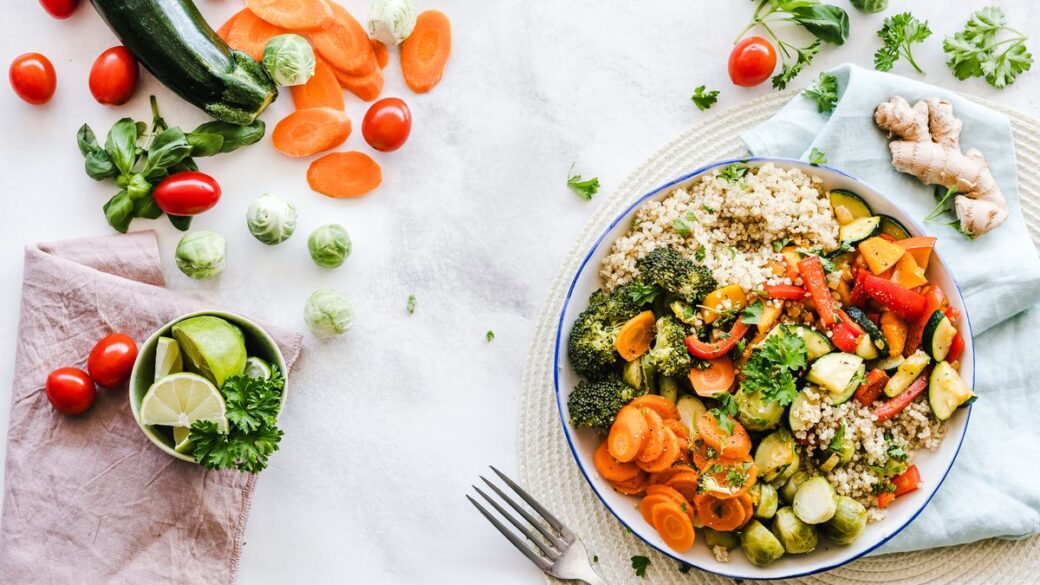
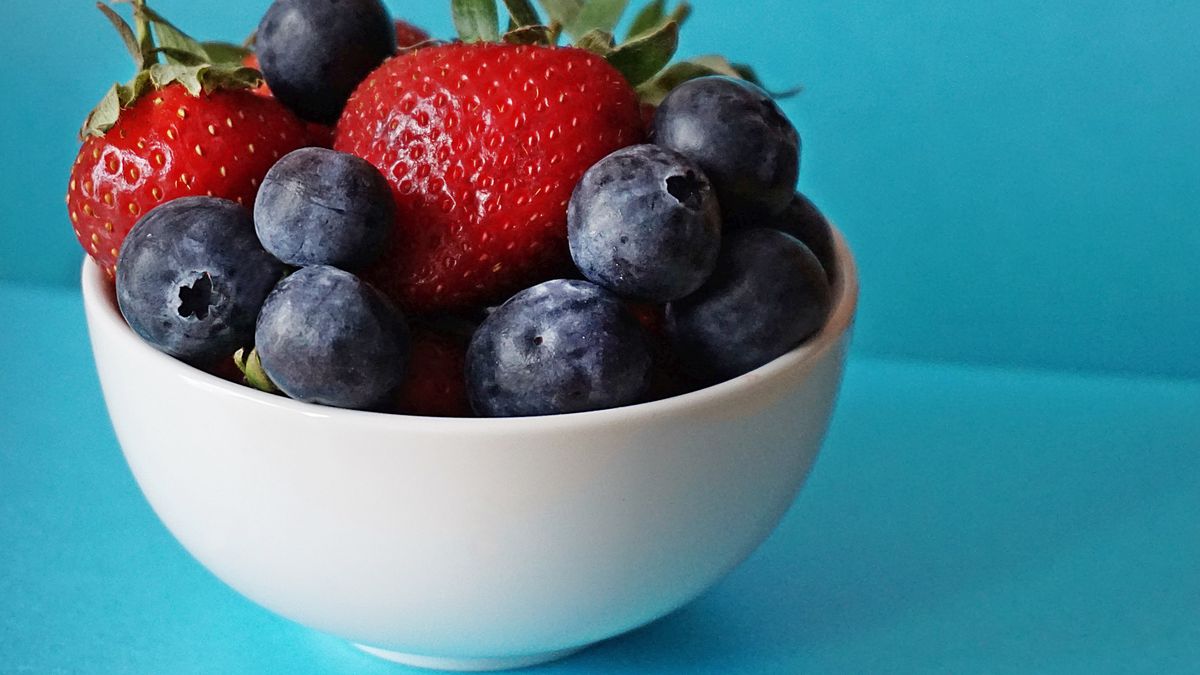
Deeply colored produce is rich in antioxidants and polyphenols, plant compounds that help neutralize the unstable molecules involved in inflammation. Berries, cherries, leafy greens, broccoli, peppers, and tomatoes are standouts. A useful rule of thumb is to aim for variety and color across the week rather than fixating on a single “superfood.” The more shades on your plate, the broader the range of protective compounds you take in.
Fatty Fish And Omega-3s
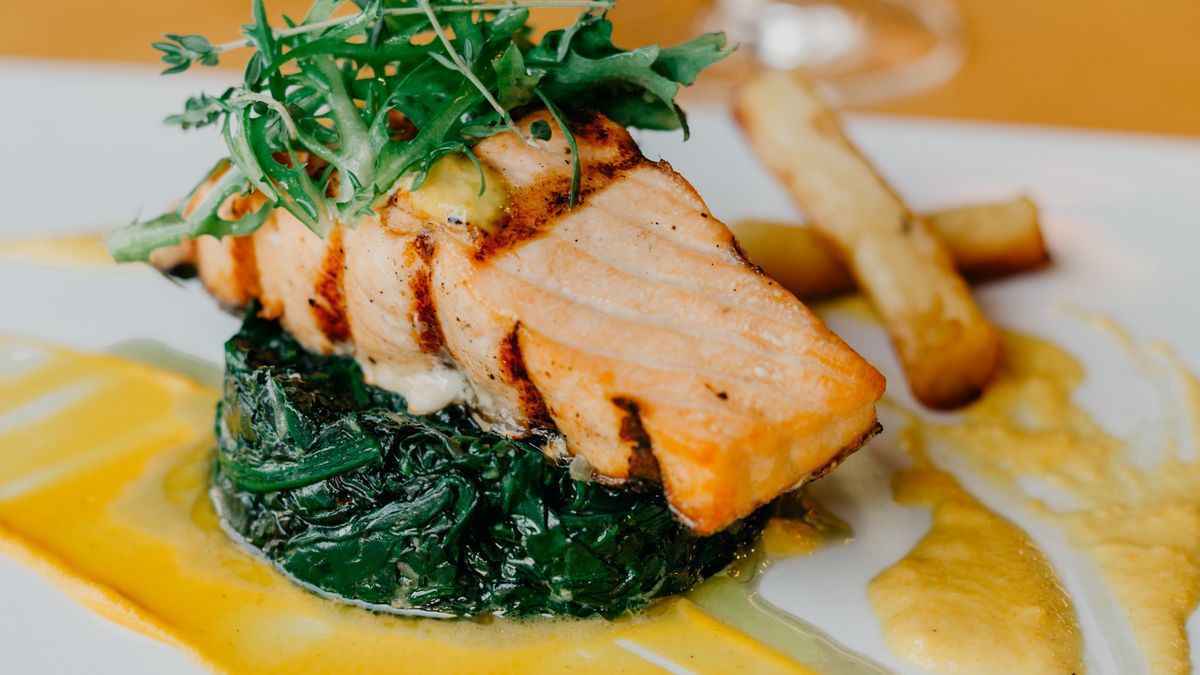
Salmon, sardines, mackerel, and herring supply omega-3 fatty acids, which the body uses to make molecules that help resolve inflammation. Many people eat far more omega-6 fats (common in processed and fried foods) than omega-3s, and nudging that balance back is a reasonable goal. If you do not eat fish, plant sources such as walnuts, flaxseed, and chia provide a different form of omega-3, though the body converts it less efficiently.
Olive Oil, Nuts, And Healthy Fats
Extra-virgin olive oil contains compounds studied for their anti-inflammatory properties and is a cornerstone of the Mediterranean way of eating, which is consistently associated with better cardiovascular health. Nuts and seeds add fiber, healthy fats, and minerals. These foods are calorie-dense, so portion size still matters, but swapping them in for butter or processed snacks is a step in a helpful direction.
Whole Grains, Legumes, And Fiber
Fiber feeds the beneficial bacteria in your gut, and a healthier gut microbiome is linked with lower inflammation. Whole grains such as oats, brown rice, and quinoa, along with beans, lentils, and chickpeas, deliver fiber plus steady energy. Choosing these over refined grains and sugary options also helps keep blood sugar more stable, which matters because sharp spikes can contribute to inflammatory activity.
Herbs, Spices, And Drinks
Turmeric, ginger, garlic, and cinnamon have all been studied for anti-inflammatory effects and are an easy, low-effort way to add flavor without extra salt or sugar. Green tea contains polyphenols with similar potential. None of these are magic on their own, but used regularly as part of a balanced diet they contribute to the overall pattern that supports lower inflammation.
Foods Worth Limiting
Just as some foods help, others tend to work against you when eaten often:
- Ultra-processed snacks and packaged baked goods high in refined flour and added sugar
- Sugary drinks, including soda and many sweetened coffees
- Processed and heavily charred meats eaten frequently
- Fried foods and products made with partially hydrogenated oils
- Excess alcohol
The goal is not perfection or cutting out entire food groups. It is shifting the balance so that most of what you eat comes from whole, minimally processed foods, with treats kept as occasional rather than daily choices.
Building An Anti-inflammatory Pattern That Lasts
No single meal changes your inflammation levels; consistency over weeks and months is what counts. A realistic starting point is to fill half your plate with vegetables and fruit, choose whole grains and legumes, include fish or plant proteins, and cook with olive oil. Pair that with the habits that also influence inflammation, such as regular movement, decent sleep, and managing stress, and you are supporting your body from several directions at once.
Frequently Asked Questions
How Quickly Can Diet Affect Inflammation?
There is no fixed timeline, and effects vary from person to person. Rather than expecting a quick fix, think of an anti-inflammatory diet as a long-term pattern that supports overall health over months and years.
Do I Need Special Supplements?
For most people, whole foods are the best foundation because they provide a mix of nutrients that work together. Supplements are sometimes useful in specific situations, but they are not a substitute for a balanced diet. Talk to a healthcare professional before starting anything new.
Is An Anti-inflammatory Diet The Same As A Mediterranean Diet?
They overlap heavily. The Mediterranean pattern, rich in vegetables, fish, olive oil, whole grains, and legumes, is one of the most researched examples of an anti-inflammatory way of eating.
The Takeaway
Eating to calm inflammation is less about chasing one miracle food and more about the pattern you build over time. Load up on colorful produce, fish and healthy fats, whole grains, and legumes, season with anti-inflammatory herbs and spices, and cut back on ultra-processed and sugary options. Combined with movement, sleep, and stress management, these everyday choices give your body steady support for the long run.
This article is for general informational purposes only and is not a substitute for professional medical advice. Consult a qualified healthcare provider before making significant changes to your diet, especially if you have a health condition.