Mental Health
By Elena Hart · Updated August 19, 2026 · Fact-checked
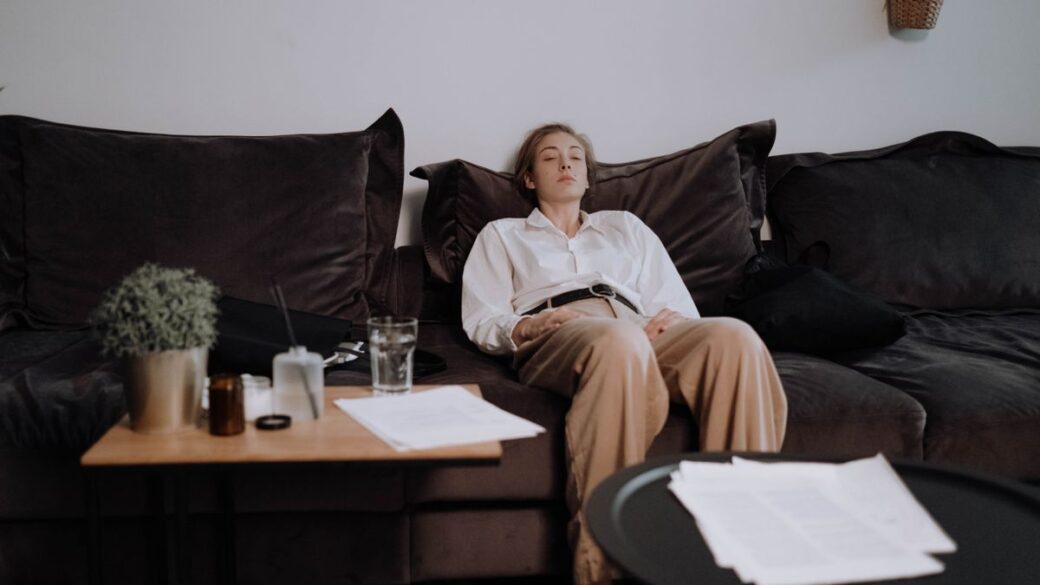
It usually lands around four in the afternoon. The day is still technically yours, but something has shifted. The weekend feels like it is being packed away, your inbox starts existing again in your imagination, and a low hum of dread settles in somewhere behind your ribs.
The Sunday scaries have become internet shorthand for that feeling, which makes them sound like a joke. They are not really. Millions of people describe some version of it, and while it is not a clinical diagnosis, the mechanisms behind it are fairly well understood — and more workable than the joke suggests.
What it actually feels like
It varies, but the common threads are recognisable. A tightening in the chest or stomach. Irritability that arrives without a trigger. Trouble enjoying the last part of the weekend because you are already somewhere else mentally. Restless sleep on Sunday night, either taking ages to drop off or waking at three with a to-do list assembling itself.
Some people get a very physical version — headache, nausea, a heavy feeling. Others just notice their mood drop off a cliff after lunch. Neither is unusual.
You are not imagining it
Workplace surveys have repeatedly found that a large share of employees — often the majority in any given poll — report anxiety or low mood on Sunday evenings. It shows up across industries, seniority levels, and countries. Researchers have also documented measurable differences in stress hormone patterns between weekdays and weekends, which supports the idea that the body treats the two differently.
So this is not a personal weakness or a sign you are uniquely bad at handling your job. It is a very common response to a very common structure.
Why Sunday evening specifically
Three things stack up at once.
Anticipation is its own stressor
The brain does not wait for a difficult thing to arrive before responding to it. Anticipating stress activates much of the same machinery as experiencing it. Sunday evening is peak anticipation — close enough to Monday to feel real, far enough away that you cannot do anything about it. Dread with nowhere to go.
Your schedule whiplashes
Most people shift their sleep by an hour or two on weekends — later nights, later mornings. Come Sunday, you are trying to fall asleep at your weekday time on a body clock that has quietly moved. That mismatch, sometimes called social jet lag, makes Sunday night harder and Monday morning worse, which then feeds the dread the following week.
Unfinished business surfaces
Whatever you left open on Friday afternoon has been sitting in the back of your mind all weekend. Unresolved tasks are stickier in memory than completed ones, so they resurface exactly when your defences are down and your evening is quiet.

When it is a signal, not a glitch
This is worth sitting with honestly. Mild Sunday-evening reluctance is normal — most people would rather have another day off. But intensity and duration matter.
If the dread is severe, if it starts on Saturday, if it comes with physical symptoms most weeks, or if it has been building for months, the problem is probably not your Sunday routine. It is more likely something specific about the work: a manager, a workload, a conflict, a role that does not fit anymore. No amount of evening ritual fixes an environment that is genuinely wrong for you.
It can also be an early stage of burnout rather than plain anxiety. Our guide on recognising burnout early covers the difference and what tends to help.
What helps on Sunday itself
- Move the good part of the weekend later. If Sunday evening is empty, it fills with dread. Plan something small and genuinely enjoyable for Sunday night — a meal with someone, a film, a class. Front-loading all your plans into Saturday leaves a vacuum.
- Do the ten-minute prep, then stop. Lay out clothes, check the calendar, decide the first task of Monday. Ten minutes of concrete preparation reduces uncertainty. Two hours of checking email extends the working week into your weekend.
- Write down what you are dreading. Specifically. Vague dread is heavier than named dread, and about half the time you discover the thing you are afraid of is a fifteen-minute conversation.
- Get outside. Daylight and a walk shift both mood and body clock. This is not a small intervention dressed up as advice — the effect on evening anxiety is real.
- Keep Sunday alcohol modest. It takes the edge off in the moment and then fragments your sleep, which makes Monday harder and next Sunday worse.
What helps during the week
The most effective changes happen nowhere near Sunday.
- Close down Friday properly. Fifteen minutes before you finish: write tomorrow-you a short note on where things stand and what comes first on Monday. This one habit does more for Sunday evening than anything else on this list.
- Build a soft Monday. If you have any control over your calendar, avoid stacking Monday morning with your hardest meetings. A gentler entry point makes the whole week feel less like a wall.
- Keep your sleep timing steadier. Weekend lie-ins are lovely; keeping them within about an hour of your weekday schedule costs you little and helps a lot.
- Notice what specifically triggers it. Some people find their dread is attached to one recurring meeting or one person. That is a solvable problem in a way that generalised anxiety is not.
The sleep piece
Sunday night is statistically one of the worst sleep nights of the week, and poor sleep amplifies anxiety, which then makes sleep harder. Breaking that loop is worth some effort.
Standard advice applies and works: consistent wake time, screens down before bed, a dark and cool room, no caffeine after early afternoon. Add one specific thing for Sunday — if your mind starts generating tasks in bed, keep a notepad within reach and put them on paper. You are not solving them at eleven at night. You are just giving them somewhere else to live until morning.
When to get more support
Consider talking to a doctor or therapist if the dread is severe or has lasted for months, if it spills into most days rather than one evening, if it comes with panic symptoms, or if you are losing sleep regularly. Persistent work-related anxiety responds well to treatment, and it does not need to reach crisis level before it is worth addressing.
Frequently asked questions
Is this just anxiety, or something else?
For most people it is a normal anticipatory stress response tied to a specific trigger. If similar feelings show up across many areas of life, not just work, that pattern is worth discussing with a professional.
Do people who like their jobs get the Sunday scaries?
Yes, often. The transition itself — from unstructured time to structured time — can be enough, independent of how you feel about the work. That said, intensity usually tracks with how well the job fits.
Does working from home make it better or worse?
It goes both ways. Less commute dread helps. But when work and home share a physical space, the boundary blurs and the weekend never fully starts, which for some people makes Sunday harder rather than easier.
The takeaway
The Sunday scaries come from a real combination of anticipation, a shifted body clock, and unfinished business — not from being bad at relaxing. Small structural changes help most: close out Friday deliberately, plan something you actually want to do on Sunday evening, keep your sleep timing reasonably steady, and get outside during the day. And if the dread is heavy, early, and persistent, treat it as information about the job rather than a personal failing.
This article is for general information only and is not medical advice. If you are struggling with persistent anxiety or low mood, please speak with a qualified healthcare professional who can offer support suited to your situation.