Sleep Health
By Hannah Brooks · Updated August 10, 2026 · Fact-checked
The nightcap has terrific PR. A glass of wine to unwind, a whiskey to take the edge off, and you’re asleep in minutes — what’s not to like? Plenty, as it turns out. Alcohol is probably the most widely used sleep aid in the world, and it’s also one of the most reliable ways to ruin a night of sleep. Both things are true, and the catch is in the timing.
Here’s what actually happens between that last drink and your groggy alarm, and how to enjoy a drink without donating half your night to it.
The nightcap illusion
Alcohol is a sedative, so the first half of the story checks out: it genuinely helps many people fall asleep faster. Your brain activity slows, muscles relax, and you drift off with less tossing. If sleep were only about the falling-asleep part, the nightcap would deserve its reputation.
But sleep is a structured, multi-stage process that runs all night — and alcohol doesn’t sedate you evenly through it. It front-loads the calm and sends the bill later.
What happens in the second half of the night
As your liver clears the alcohol — roughly one standard drink per hour — its sedative blanket lifts, and your nervous system rebounds in the opposite direction. Heart rate climbs, sleep becomes lighter and choppier, and REM sleep, the mentally restorative stage tied to memory and mood, gets suppressed and delayed. Studies consistently show that even moderate evening drinking cuts REM early in the night and fragments the hours after the alcohol wears off.
The result is a night that looks like sleep from the outside but doesn’t do sleep’s job. You were unconscious for seven hours and somehow still wake up flat. If that feeling sounds familiar even on nights you don’t drink, our guide to waking up tired covers the other usual causes.
The 3 a.m. wake-up is not a coincidence
That abrupt, wide-awake-at-3 a.m. jolt after an evening of drinks is the rebound effect in action — researchers sometimes call it the glutamate rebound, as the brain overcorrects for hours of sedation. Add alcohol’s diuretic effect (a fuller bladder, sooner) and its tendency to worsen reflux, and you’ve built a machine for middle-of-the-night wake-ups. Falling back asleep is harder too, because the sedation that got you down the first time is gone.
Snoring and sleep apnea get louder
Alcohol relaxes every muscle it reaches, including the ones holding your airway open. That’s why snoring is worse after drinking — and why alcohol is a genuine problem for people with sleep apnea, increasing the number and length of breathing pauses. If your partner reports heavy snoring or gasping after you drink, take it seriously; our article on what causes snoring explains when it points to something more than noise.
How late is too late?
The practical question isn’t whether to drink — it’s when to stop. Because your body clears about one drink per hour, a useful rule of thumb is to finish your last drink at least three to four hours before bed. A glass of wine with a 7 p.m. dinner touches your 11 p.m. sleep far less than the same glass at 10. Quantity scales the damage too: one drink early in the evening is a rounding error for most people, while three or four keep working on your sleep architecture well past midnight.
- Give each drink 1-2 hours of buffer before bed – more is better
- Alternate alcohol with water to blunt the diuretic effect
- Skip the late heavy pour on nights before something important
- Notice your own pattern: a sleep tracker or just morning notes will show it quickly
The tolerance trap
Used nightly, alcohol is a sleep aid with a built-in expiry date. Tolerance to the sedative effect builds within days, so the same drink stops helping you fall asleep — while the second-half disruption carries on undiminished. People often respond by pouring more, which deepens both problems. If you currently need a drink to get to sleep, that’s worth unwinding gently, and a conversation with a doctor helps if stopping feels hard.
Wind-down routines that actually work
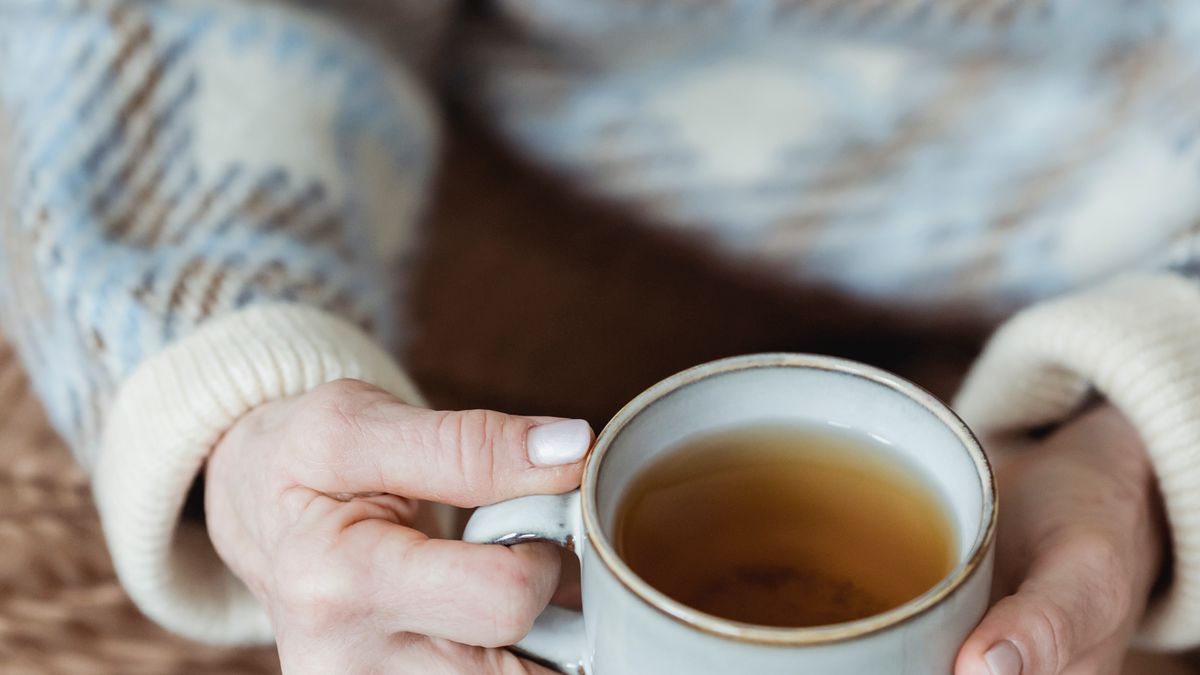
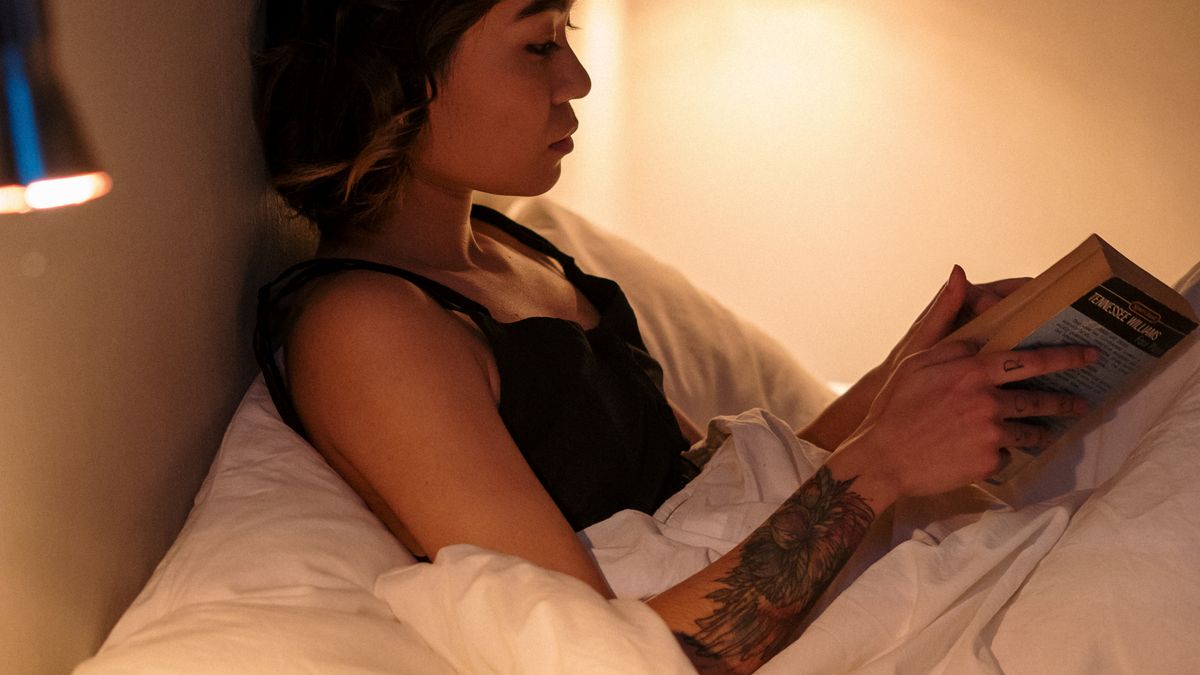
The nightcap survives because it fills a real need: a ritual that marks the end of the day. You can keep the ritual and swap the ingredient. Herbal tea, a shower, dim lights and a paper book, light stretching — anything repeated nightly starts to carry the same going-to-bed signal, without the 3 a.m. invoice. If a racing mind is what the drink was really treating, our piece on quieting your mind at night offers better tools for that job.
Frequently asked questions
Does one drink really affect sleep?
For most people, a single early-evening drink has a small effect. Research shows even low doses reduce sleep quality somewhat, but the dose and timing matter enormously — one at dinner is very different from three at midnight.
Why do I fall asleep fast after drinking but wake up exhausted?
Alcohol sedates you into light sleep quickly, then suppresses REM and fragments the second half of your night as it wears off. You get unconsciousness without full restoration.
Is alcohol worse for sleep than caffeine?
They sabotage different ends of the night — caffeine delays falling asleep, alcohol wrecks staying asleep. Late doses of either cost you; combining both in one evening compounds the damage.
The takeaway
Alcohol is a decent anesthetic and a poor sleep aid. It buys you a faster departure and charges you REM, depth, and the second half of the night. You don’t have to give up the evening glass — just move it earlier, keep it modest, and let something alcohol-free carry the wind-down ritual. Your 3 a.m. self will notice the difference before anyone else does.
This article is for general information only and is not medical advice. If you find it hard to sleep without alcohol or are concerned about your drinking, talk with a healthcare professional.
If you are considering a medically supervised GLP-1 weight-loss program, read our hands-on Yucca Health review.