Nutrition

By Priya Nair · Updated August 8, 2026 · Fact-checked
Everyone drags through the occasional rough week. But if you’re constantly wiped out — the kind of tired that coffee and a good night’s sleep don’t touch — your iron stores are one of the first things worth ruling out. Iron deficiency is the most common nutrient deficiency in the world, and it sneaks up slowly enough that many people just assume feeling flat is their new normal.
Here’s what iron actually does, the signs that you might be running low, and how to build more of it into your meals without overhauling your whole diet.
Why iron matters more than you think
Iron sits at the center of hemoglobin, the protein in red blood cells that carries oxygen from your lungs to everything else. Run short, and your body slowly loses its ability to deliver oxygen efficiently. Muscles fatigue faster. Your brain feels foggy. Even mild shortfalls — before anything shows up as anemia on a blood test — can chip away at energy, focus, and exercise performance.
Your body can’t make iron. Every bit of it comes from food, which is why what’s on your plate matters so much.
Signs you might be running low
Low iron rarely announces itself with one dramatic symptom. It’s usually a cluster of small ones:
- Persistent tiredness that rest doesn’t fix
- Getting winded on stairs that never used to bother you
- Pale skin, pale inner eyelids, or brittle nails
- Feeling cold when others aren’t
- Headaches, dizziness, or trouble concentrating
- Unusual cravings for ice or, oddly, the urge to chew on non-food things
- Restless legs at night
None of these prove you’re iron deficient — plenty of other things cause fatigue. That’s exactly why testing matters, which we’ll get to below.
Who tends to run low
Some groups burn through or lose iron faster than others. Women with heavy periods top the list, along with pregnant women, whose iron needs roughly double. Frequent blood donors, endurance runners, people with celiac disease or inflammatory bowel conditions, and anyone eating a fully plant-based diet without planning around iron also run a higher risk. Teenagers in growth spurts can quietly slip behind too.
Heme vs non-heme: not all iron absorbs equally
Food contains two forms of iron. Heme iron, found in meat, poultry, and fish, is the easy one — your body absorbs roughly 15 to 35 percent of it. Non-heme iron, found in plants, eggs, and fortified foods, is more stubborn; absorption is typically under 10 percent and swings widely depending on what else is in the meal.
This is why two people can eat the same milligrams of iron on paper and end up in very different places. Form and food pairings matter as much as totals.
The best food sources of iron
You don’t need organ meats at every meal (though liver is admittedly an iron powerhouse). Strong everyday sources include:
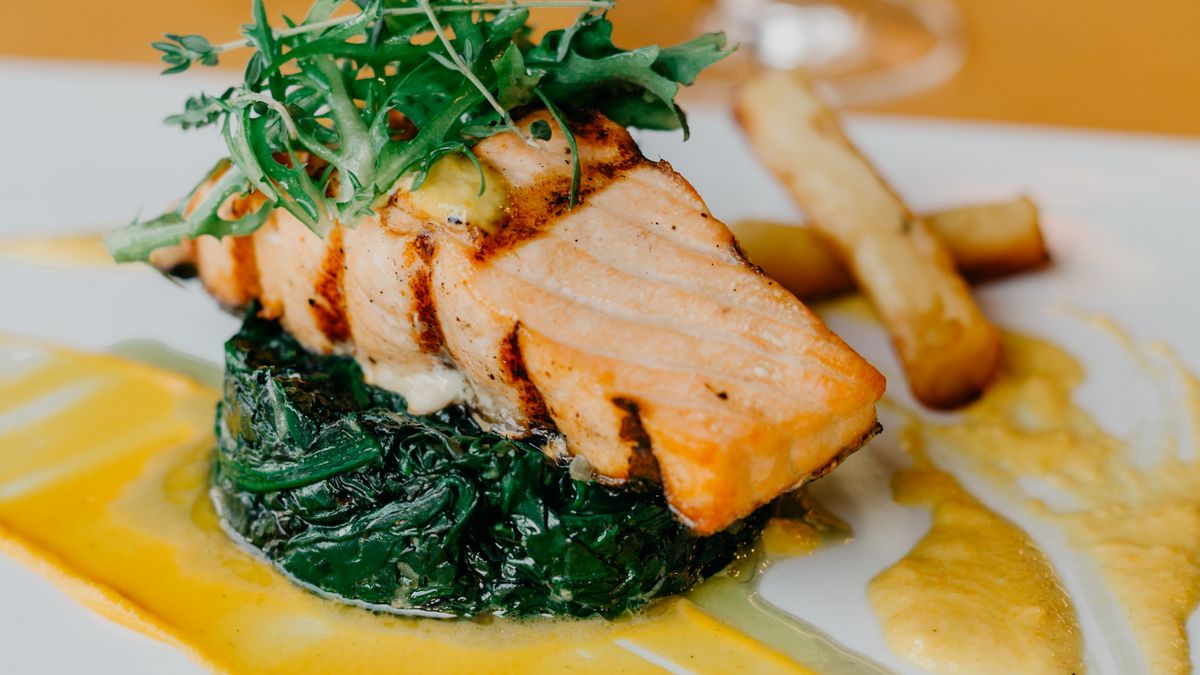
- Heme sources: lean beef, lamb, sardines, oysters and mussels, salmon, dark-meat chicken and turkey
- Plant sources: lentils, chickpeas, white and kidney beans, tofu and tempeh, spinach and Swiss chard (cooked), pumpkin seeds, quinoa
- Fortified options: many breakfast cereals and breads — worth a label check, as covered in our guide to reading nutrition labels
How to help your body absorb more
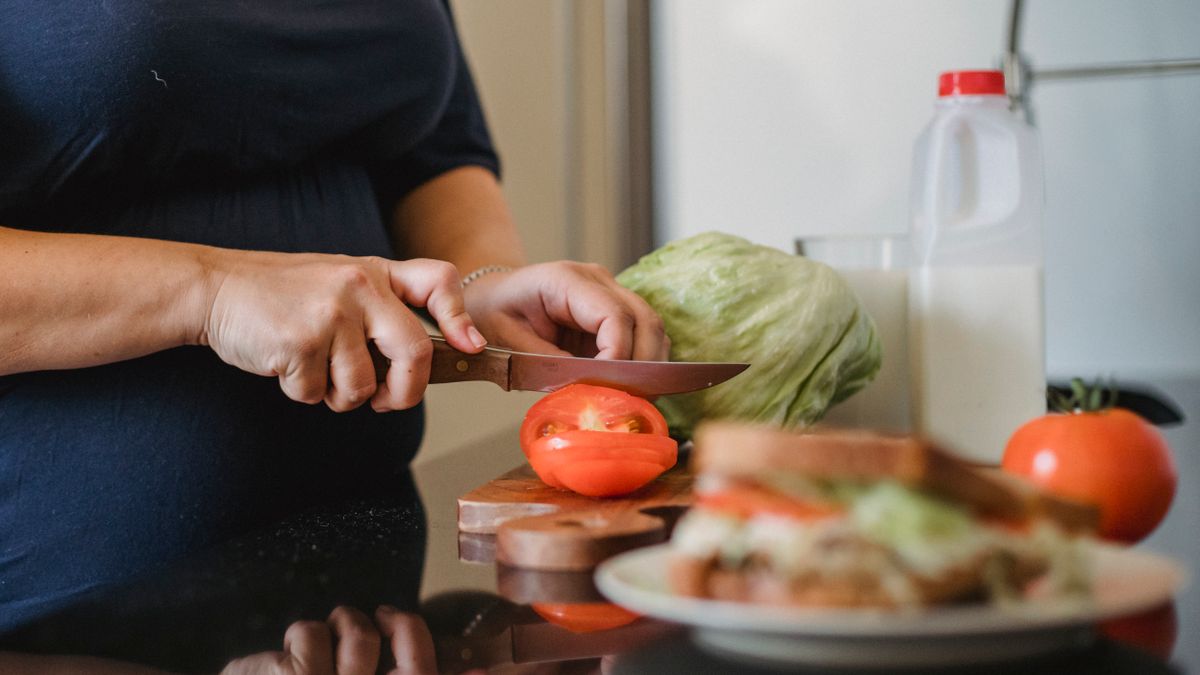
A few simple pairings can double or triple what you actually absorb from plant foods. Vitamin C is the big lever: bell peppers, citrus, strawberries, or tomatoes eaten in the same meal convert non-heme iron into a form your gut takes up far more readily. A squeeze of lemon over lentils genuinely earns its keep. Adding even a small amount of meat or fish to a plant-heavy meal boosts absorption of the plant iron too.
On the flip side, a few things get in the way. Tea and coffee contain compounds that block non-heme iron absorption, so it’s smart to enjoy them between meals rather than with them. Calcium competes with iron as well — worth knowing if you take calcium supplements or eat a lot of dairy at iron-focused meals. Cooking acidic dishes like tomato sauce in a cast-iron pan, meanwhile, adds a small bonus of iron to the food itself.
When to see a doctor about testing
If several of the signs above sound like your daily life, don’t guess — ask your doctor for a blood test. A simple panel including ferritin (your iron storage marker) gives a clear answer, and organizations like the NIH Office of Dietary Supplements recommend confirming a deficiency before supplementing. That last part matters: iron supplements can cause real side effects, and taking iron you don’t need can be harmful, since your body has no good way to get rid of the excess. If a test does show you’re low, your doctor can pin down why — which is sometimes the more important question — and recommend the right dose for the right duration.
Frequently asked questions
Can I fix iron deficiency through diet alone?
Mild shortfalls often respond well to consistent dietary changes. A confirmed deficiency usually needs supplementation under medical guidance, with diet doing the maintenance work afterward.
Is spinach really a good iron source?
Yes, with an asterisk. Spinach is rich in non-heme iron but also in oxalates, which limit absorption. Cooking it helps, and pairing it with vitamin C helps more.
How long does it take to feel better after correcting low iron?
Many people notice more energy within a few weeks of treatment, but rebuilding full iron stores typically takes a few months. Your doctor will usually retest along the way.
The takeaway
Iron deficiency is common, sneaky, and very fixable. Eat iron-rich foods regularly, pair plant sources with vitamin C, keep tea and coffee away from your biggest meals, and get tested rather than guessing if the fatigue won’t lift. For the bigger picture on nutrients that work alongside iron, see our simple guide to vitamins and minerals.
This article is for general information only and is not medical advice. Always talk to your doctor before taking iron supplements or making major dietary changes.