Sleep Health
By Hannah Brooks · Updated July 30, 2026 · Fact-checked
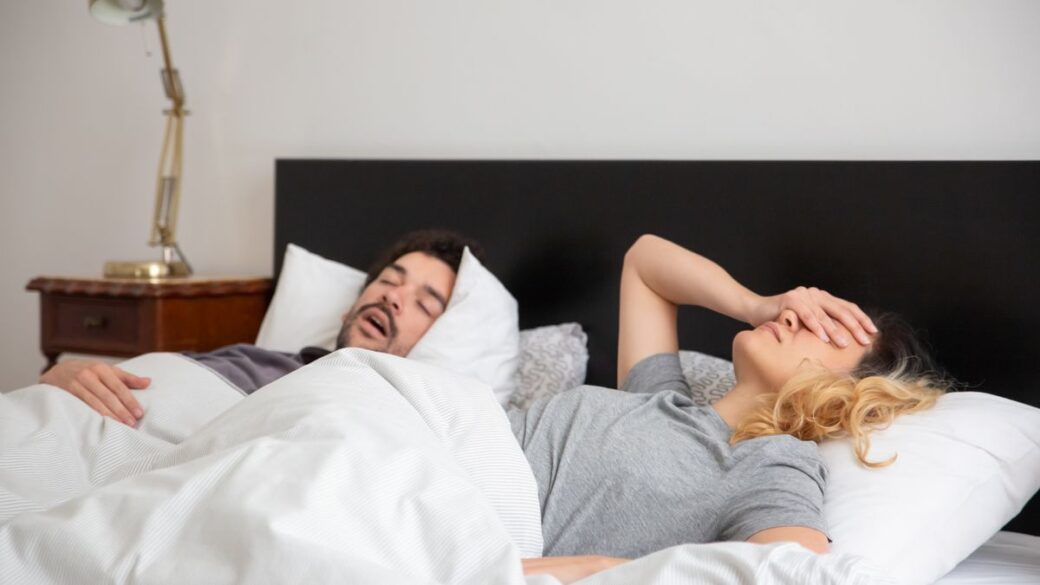
Snoring has a strange reputation. We joke about it, buy earplugs because of it, and banish partners to the guest room over it — yet few people ever ask why it happens. Around 40% of adult men and a quarter of women snore regularly, so if this is your household soundtrack, you’re in good company. Most snoring is harmless. Some of it isn’t. Here’s how to tell the difference, and what actually helps quiet things down.
What snoring actually is
That rumbling sound is turbulence. When you fall asleep, the muscles of your throat, tongue, and soft palate relax, narrowing the airway. Air squeezing through the narrower passage makes the soft tissue vibrate — the deeper the relaxation and the tighter the space, the louder the noise. Anything that narrows the airway further turns the volume up: nasal congestion, extra weight around the neck, alcohol, sleeping on your back, or simply the anatomy you were born with.
The most common triggers
- Sleeping on your back. Gravity pulls the tongue and soft palate backward, narrowing the airway.
- Alcohol in the evening. It relaxes throat muscles beyond their usual sleep-time slack. Even two drinks with dinner can turn a quiet sleeper into a loud one.
- Nasal congestion. Allergies, colds, or a deviated septum force mouth breathing, which promotes snoring.
- Weight gain. Tissue around the neck compresses the airway. Even modest gain can start the noise; modest loss can stop it.
- Age. Muscle tone declines over time, throat tissue included.
- Smoking. It irritates and inflames the airway lining.
When snoring signals something more serious
Loud, chronic snoring is the signature symptom of obstructive sleep apnea — a condition where the airway doesn’t just narrow but repeatedly collapses, cutting off breathing for seconds at a time, sometimes hundreds of times a night. The sleeper rarely remembers any of it. Untreated apnea is linked to high blood pressure, heart disease, type 2 diabetes, and daytime accidents.
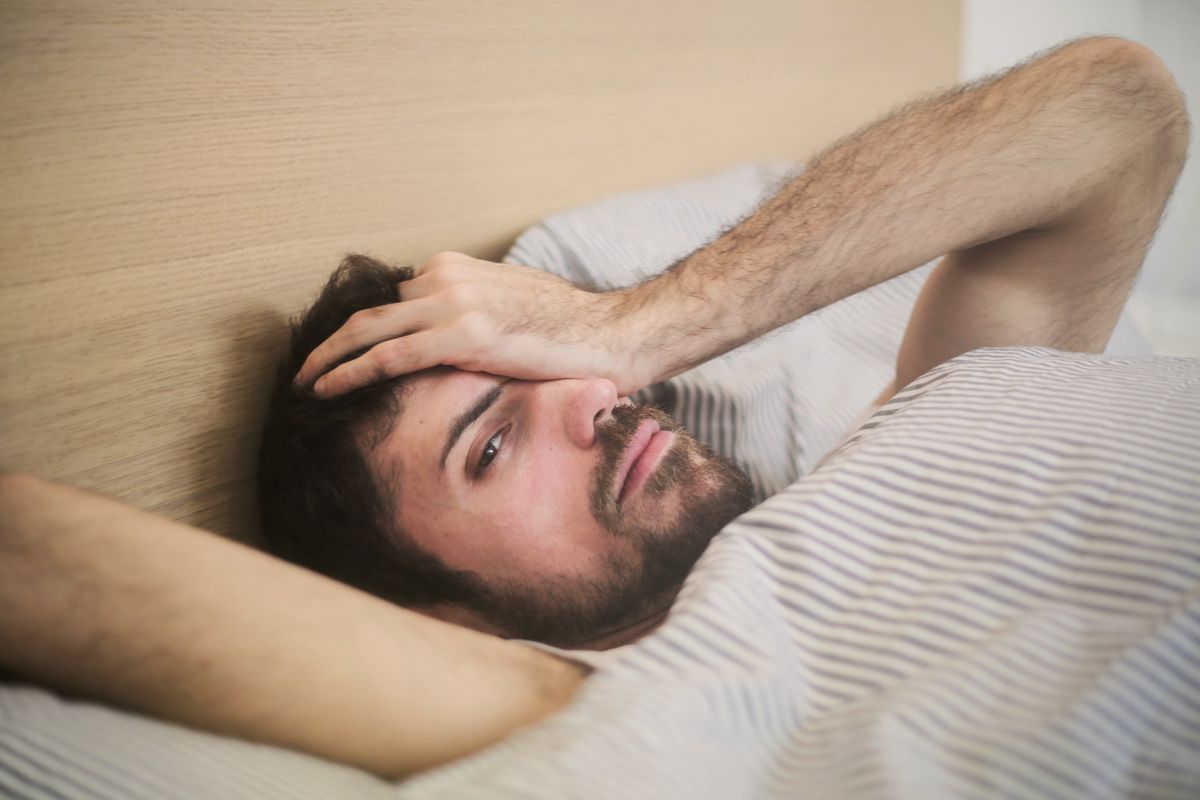
Red flags to take seriously: pauses in breathing followed by gasps or snorts (usually noticed by a partner), waking with headaches or a dry mouth, and crushing daytime sleepiness no matter how long you slept. If you’re constantly exhausted after a full night in bed, that pattern deserves attention — we’ve written before about why you can wake up tired after a full night’s sleep, and apnea is one of the sneakiest culprits. A doctor can arrange a home sleep study, which these days often means one night with a small sensor kit in your own bed.
Fixes that actually help
For ordinary snoring — no apnea — the effective options are mostly free:
- Change position. Side sleeping is the single most effective habit change for back-sleeping snorers. A body pillow helps you stay there; the old tennis-ball-in-the-shirt trick still works.
- Skip alcohol within three hours of bed. Many “chronic” snorers are really evening-wine snorers.
- Clear your nose. Treat allergies, try a saline rinse, or use adhesive nasal strips — they’re modest but cheap and side-effect-free.
- Lose a little weight if you’ve gained. For many people this is the difference-maker.
- Keep a consistent sleep schedule. Sleep deprivation deepens muscle relaxation and worsens snoring — a vicious cycle if your snoring is also fragmenting your sleep.

Devices and treatments worth knowing about
If habit changes aren’t enough, a dentist-fitted mandibular advancement device holds the lower jaw slightly forward during sleep and has decent evidence for both snoring and mild apnea. For diagnosed obstructive sleep apnea, CPAP — a mask delivering gentle air pressure — remains the gold standard, and modern machines are far quieter and smaller than the ones that earned the bad reputation. Surgery exists for specific anatomical problems, but it’s a last resort, not a shortcut.
What about the smartphone anti-snore gadgets and pillows that vibrate? Evidence is thin. Spend your money on a body pillow and better sleep habits first.
If you’re the one losing sleep next to a snorer
Partners of loud snorers lose about an hour of sleep a night by some estimates, and the resentment cost is real too. Earplugs or white noise help short-term. But the kindest long-term move is encouraging your partner to get checked — especially if you’ve witnessed breathing pauses. You’re effectively their overnight monitoring system, and what you observe is genuinely useful to a doctor. Frequent night wakings on your side of the bed have fixes too; see our guide on why you wake up at night and how to stay asleep.
Frequently asked questions
Is snoring always a sign of sleep apnea?
No. Plenty of people snore without apnea. The warning combination is loud snoring plus witnessed breathing pauses, gasping, or heavy daytime sleepiness. That trio warrants a sleep study.
Why do I only snore sometimes?
Occasional snoring usually tracks a trigger: alcohol, a stuffy nose, an exhausting week, or nights you end up on your back. Spotting the pattern often points straight at the fix.
Do anti-snoring mouthpieces from the pharmacy work?
Boil-and-bite mouthpieces help some people, but they fit poorly compared with dentist-made devices and can cause jaw soreness. If a cheap one helps, that’s a good sign a properly fitted device will help more.
The takeaway
Snoring is physics: relaxed tissue plus a narrow airway equals noise. Side sleeping, less evening alcohol, a clear nose, and a stable weight solve it for a large share of people. What you shouldn’t do is ignore loud snoring paired with breathing pauses or relentless daytime fatigue — that’s a medical question with a very treatable answer. Quiet nights are usually closer than they sound.
This article is for general informational purposes only and is not a substitute for professional medical advice, diagnosis, or treatment. If you suspect sleep apnea or another sleep disorder, consult a qualified health professional.